 LemonArcade
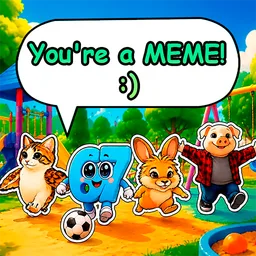
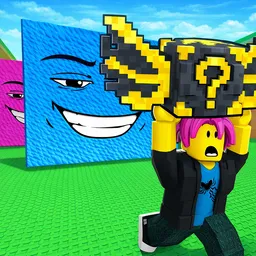
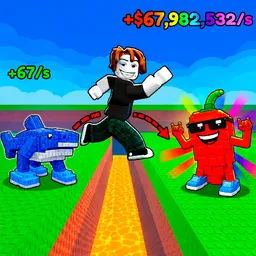
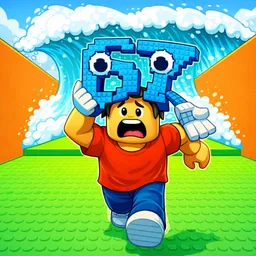

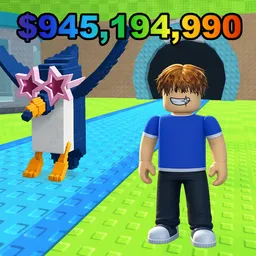
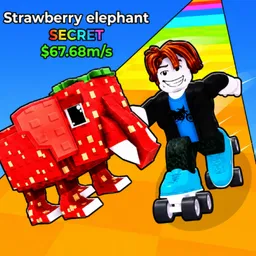
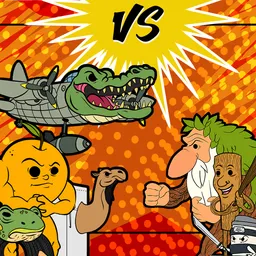
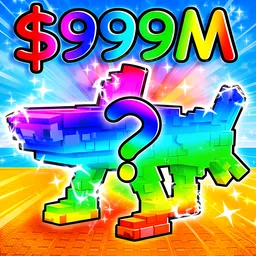

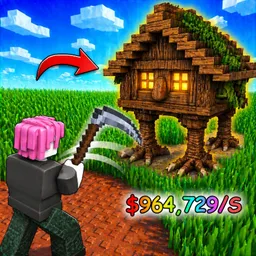
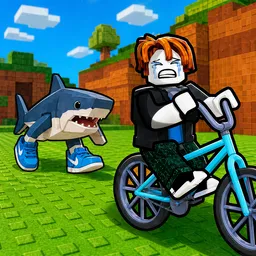



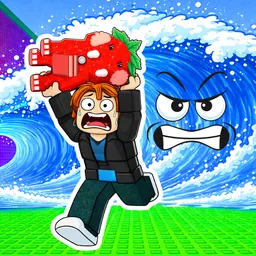
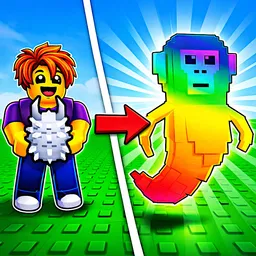
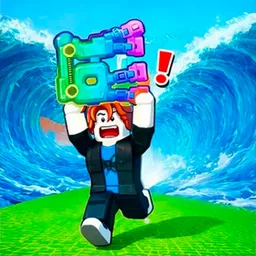


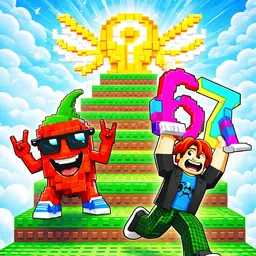

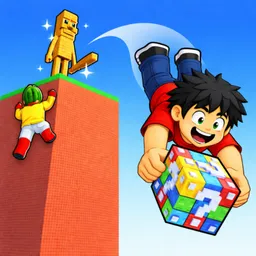

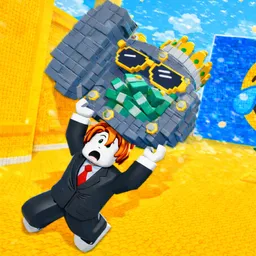


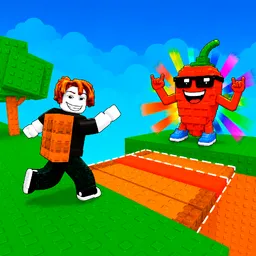

Brainrots Online: Kick a Lucky Block is a collection tycoon wearing a meme costume. The loop has three moving parts: you kick lucky blocks, which crack open to reveal a random brainrot character; you install the characters you win in your base, where each one generates income at a rate set by its rarity; and you spend that income kicking better blocks. Periodically a tsunami wave sweeps the map and has to be dodged, and somewhere in the game hides the number 67, a running joke the developer, BoundlessBytes Web, plants for players who know their memes. It runs on Playhop with a 6+ rating.
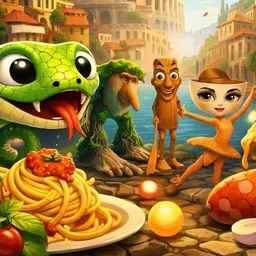
The design is a browser translation of one of the biggest phenomena in recent gaming. Steal a Brainrot, launched on Roblox in May 2025, took the Italian brainrot meme roster — the AI-generated absurdist characters with pseudo-Italian names — and attached it to a simple economy where owned characters produce cash per second. It became historically large: by September 2025 it had broken the all-time record for concurrent players in any single game, passing 24 million simultaneous users and dethroning Grow a Garden. A wave of derivatives followed on every platform, and this game brings the formula to a browser tab with the stealing replaced by block-kicking.
The lucky block itself has an older pedigree. It comes from the Lucky Block mod for Minecraft, created in 2015 by the modder PlayerInDistress, who drew on the random blocks of Mario games: break the block and something happens, drawn from a long weighted table of outcomes. What made the mod a fixture of a decade of YouTube videos is the same thing that powers this game — the moment between the kick and the reveal. Randomised rewards produce anticipation on every single opening, and rare outcomes produce stories. It is worth being clear-eyed that this is the same psychological machinery loot boxes use; here it runs on in-game currency earned by playing, but the pull of one more kick is the designed centre of the experience.
Rarity tiers give the collection its shape. Characters range from commons you will see constantly to rares whose income dwarfs them, and because income scales with rarity, the tiers are not just cosmetic bragging — they are the economy. The practical consequence is a ratchet: better characters fund faster kicking, which raises your odds of meeting the next tier, which funds the next. The tsunami wave is the one thing that interrupts the spreadsheet, a periodic hazard that demands you actually move, and it keeps sessions from collapsing into pure menu management.
LemonArcade files it under Brainrot and Tycoon, which describes it precisely: the cast and humour come from meme culture, the skeleton underneath is an income-per-second builder. It suits players who enjoyed the Roblox originals and want the loop without an account, and it is short-session friendly — a few kicks and a wave dodge fit inside any break.