 LemonArcade



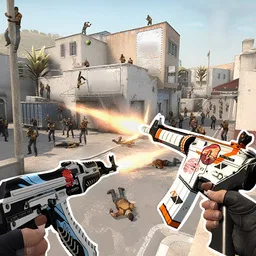

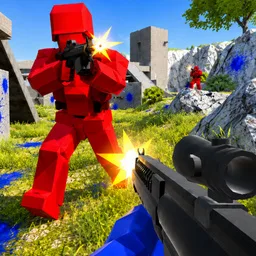
























DTA 6 is an open-world sandbox in the tradition of the big crime-city games, rebuilt to run in a browser tab. You are dropped into a street map with no fixed path through it: you can steal a car and drive, take on a mission, pick a fight, or simply explore until something happens. The defining quality of the genre is that the city keeps existing whether or not you engage with it, and the game's job is to stay interesting while you decide what to do.
Driving is the connective tissue. Vehicles are everywhere, they are all takeable, and moving between districts by car is faster and more entertaining than walking. The handling in browser entries of this genre tends toward the forgiving and slightly exaggerated rather than the simulation end — cars slide, jumps are survivable, and collisions rarely end a session. That choice keeps the pace up, because the fun of the format is in the chase and the chaos rather than in careful cornering.
On foot the game shifts into combat and exploration. Missions give structure for players who want objectives, while free roam serves the much larger group who mainly want to see what the map allows. Both are valid ways to play, and the genre has always understood that a substantial share of its audience never touches the story at all. The city is the product; the missions are one optional way of touring it.
What makes browser entries like this notable is the compression. The console games this genre descends from ship on discs and take hours to install; DTA 6 opens in a tab and starts. The trade is obvious — smaller maps, simpler models, fewer systems — but the essential loop survives intact, and for a player with fifteen minutes and a locked-down school laptop, a game that starts immediately is worth more than one with better shadows.