 LemonArcade
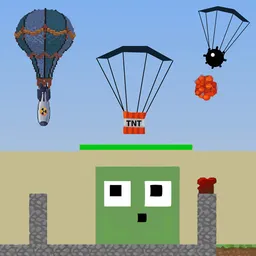




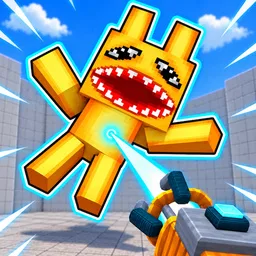












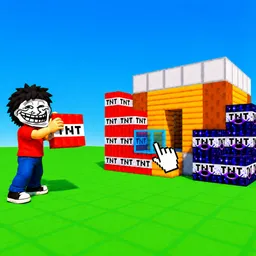













Melon Sandbox is a physics playground built around ragdolls and a deliberately oversized toolbox. There is no objective, no score and no way to lose. You spawn a character, then experiment on it with whatever the toolbox offers — simple props, vehicles, contraptions you assemble yourself — and the entertainment comes entirely from what the physics engine does with your ideas rather than from anything the game asks of you.
The ragdoll is the centre of it. A ragdoll is a character model with no animation at all: every limb is a joint governed by physics, so it responds to force in ways nobody scripted and nobody could fully predict. Drop one, attach it to something moving, catch it between two objects, and the result follows real rules while still surprising you. That combination — consistent but not predictable — is why the format has stayed popular for well over a decade.
What separates a good sandbox from an empty one is the breadth of its toolbox, because the interest is combinatorial rather than additive. Any single item is mildly amusing; the point is what happens when two unrelated ones are connected. A game with fifty tools that interact is far richer than one with two hundred that do not, and this is the axis these games are actually judged on.
It asks more of the player than a structured game does. Nothing prompts you, nothing escalates, and if you arrive expecting objectives you will run out of things to do quickly. If you arrive with something you want to try, it will keep going as long as your curiosity does — which is the deal every sandbox makes, stated honestly.