 LemonArcade
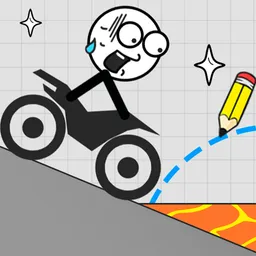
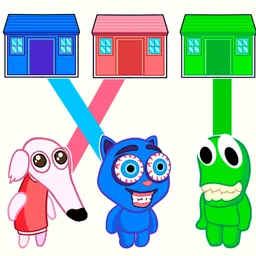


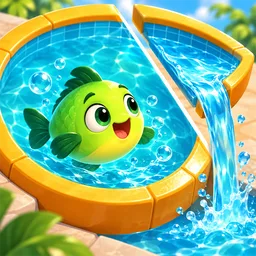

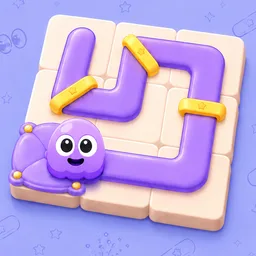


Mochi Rescue is a physics puzzle in which the line you draw becomes a solid object the moment you release it. Mochi, a small round character, is stuck in a scene with a problem: rocks are about to fall, lava blocks the way home, water is rising, or a strawberry needs to reach a hungry friend on the other side of a gap. You cannot move Mochi directly. Instead you sketch one shape with your mouse or finger, it drops into the world with real weight and collision, and the simulation decides whether your idea works. The puzzle is never about reflexes; it is about guessing how a shape will fall, tip or float before you commit to it.
The twist that sets Mochi Rescue apart from most draw-a-line games is that you choose what your ink is made of. Wood is light, so it floats on water, but it catches fire if it touches lava. Stone is heavy, sinks straight away and survives lava, which makes it the only material that can bridge a molten pit. Jelly is bouncy and springs anything that lands on it back up, so it works as a trampoline or a cushion. Each level is really a question about which material to pick and where to put the one line you are allowed, since every puzzle rewards you for finishing with as little ink as possible.
A session runs through 30 handcrafted puzzles split across three worlds. Sunny Meadow introduces the materials and the basic shielding and bridging problems. Ember Quarry is built around lava, which punishes wood and forces you to think about stone. Lagoon Isles adds rising water and floating, where wood suddenly becomes the useful material and stone becomes dead weight. Win conditions change from level to level: sometimes Mochi must survive a timed shower of rocks or cannonballs, sometimes Mochi needs to reach a home marker, and sometimes you are rolling an object rather than protecting a character.
In genre terms, Mochi Rescue descends from Crayon Physics Deluxe, the 2008 game that made drawing-into-physics a recognised puzzle style, and from the wave of mobile draw-to-save puzzles that followed. What it keeps from those ancestors is the pleasure of watching a scribble behave like a real object. What it adds is the material system and a star rating tied to ink usage, which turns each solved level into an optimisation problem you can return to. It is a good fit for players who like short, self-contained logic puzzles, for younger players who enjoy the cute presentation, and for anyone who finds physics sandboxes more fun when there is a concrete goal.