 LemonArcade











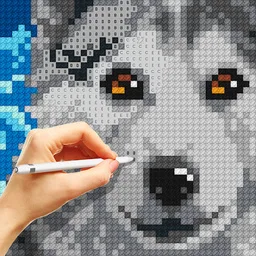







Wool Sort: Super Yarn Jam is a calm sorting puzzle with a weaving twist. Each level shows a board of coloured yarn spools and a small storage rack, and above them a pixel embroidery waiting to be stitched. You tap a spool to send it to the rack; if its colour matches what the pattern needs next, the thread is sewn into the picture and the spool is gone. The level ends when the board is clear and the embroidery is complete.
The catch is the rack. It has only a handful of slots, and a spool that does not match the pattern just sits there, taking up room. Fill every slot with spools the picture cannot use yet and the level is lost. So a session is a quiet exercise in planning: which spools are reachable now, which colours the pattern will want soon, and how many slots you can afford to tie up while you dig down to the colour you actually need.
Early levels are almost meditative, because the patterns are small and the rack is forgiving. Later ones grow the embroidery, bury the needed colours under layers of spools and tighten the slot count until every tap is a commitment. The tone never changes, the music stays soft and the colours stay warm, but the thinking gets genuinely sharp. That contrast, gentle surface and real puzzle underneath, is what keeps the game from feeling like busywork even after dozens of levels.
In genre terms it descends from the colour sort puzzles that spread through mobile stores in the late 2010s, the water sort and ball sort games where you move items between containers, crossed with the match-and-clear logic of tile matching games where a limited tray is the only resource. Wool Sort: Super Yarn Jam adds the embroidery as a goal with a visible picture, which gives each level an ending you can look at rather than an empty board, which matters more than it sounds.
On LemonArcade it sits under Puzzle, Casual and Cosy, and every one of those is right: it is a logic game, it is built for short sessions with one-tap controls, and it is designed to lower your pulse rather than raise it. It plays with a mouse click on desktop or a tap on a touchscreen. It suits a general audience, from children who like colours to adults who want ten quiet minutes, and it is tricky enough in its later levels to hold a puzzle fan.