 LemonArcade


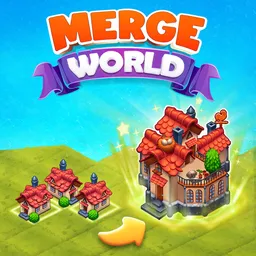

















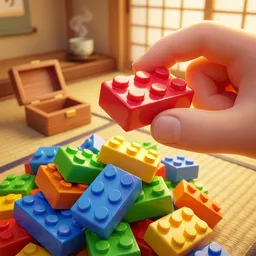
Merge Islanders puts two loops side by side and lets each one pay for the other. On one screen you have a merge board — combine matching tiles to make better tiles, work the chain upward, generate resources. On the other you have a run-down tropical island that needs clearing, repairing and rebuilding. The merge board produces what the island consumes, and the island is what gives the merging a point.
That pairing is why the genre works. A pure merge game eventually runs out of reasons to keep merging; a pure renovation game runs out of things to click. Putting them together means every board you solve turns into something visible — a repaired jetty, a cleared beach, a building that was rubble an hour ago. Progress is legible in a way a number never quite manages.
The merge side follows standard rules with a decent amount of depth. Tiles combine in threes and pairs depending on type, producers generate new base items on a cooldown, and board space is the constant constraint. Managing that space — knowing when to merge up and when to hold items apart — is the actual skill, and it becomes genuinely tight in later chapters when several producers compete for room.
The island side supplies the narrative. Tasks arrive in sequence, each requiring specific items you have to build up to on the board, and completing them opens the next stretch of coastline along with a small amount of story. It paces itself deliberately: you are rarely more than one or two merges away from the next completion, which is what keeps sessions from stalling.
It sits firmly in the relaxing end of the puzzle spectrum. There is no timer on a board, no fail state for a bad merge, and nothing punishing about stopping mid-task. That makes it well suited to short sessions and to picking up again days later, which is how most people actually play games of this kind.
Merge Islanders is developed by TAPCLAP and distributed through Playhop, the Yandex games platform, so it runs in a browser tab with no install. Playhop plays a short advertisement before it starts, which is how the platform pays the developer. The controls are dragging and tapping, so it plays identically on a mouse or a touchscreen.