 LemonArcade








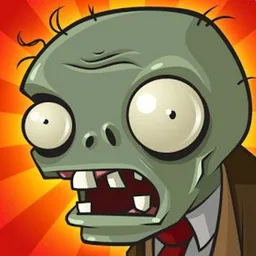

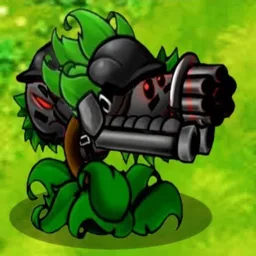

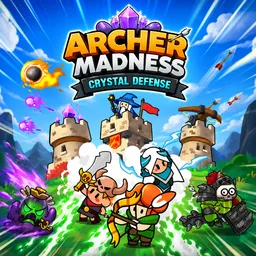

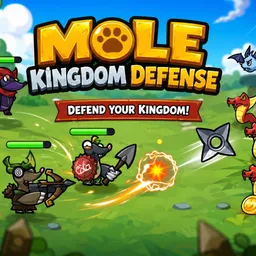

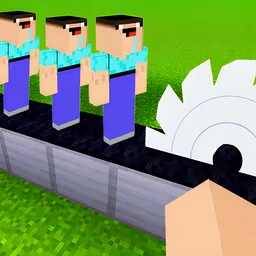






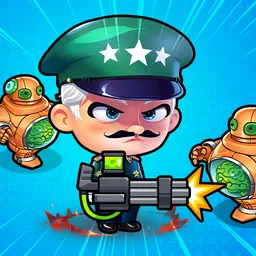
Bloons Wars is a balloon-popping tower defense by Sokolovsky that borrows the most legible idea in the genre — colorful balloons drifting along a track, defenders popping them before they escape — and rebuilds it around hero units and head-to-head pressure. If you grew up on balloon TD games you will read the screen instantly; the differences show up in how you spend, not in what you are looking at.
The core decision is placement. Heroes are not towers you scatter casually: each one covers a specific stretch of track, and the difference between a hero watching one straightaway and a hero covering two bends is roughly double the value for the same price. The first minutes of a match are spent studying the track's geometry for those overlap points, because everything downstream depends on them.
Waves escalate on a schedule that punishes hoarding. Early balloons are slow and single-layered; later waves stack speed, numbers and durability at the same time. A defense that was comfortable on wave six can be leaking by wave nine without anything having gone visibly wrong — the fix is upgrading before the wave that needs it, not after.
The versus framing is what separates this from a solitaire TD. You are not just surviving waves, you are out-defending an opponent facing the same pressure, which turns every economy decision into a race. Spending late means popping late; popping late means leaks; and leaks are how the other side pulls ahead while your track looks almost fine.
Hero variety does the work that tower variety does elsewhere. Some heroes are volume poppers that shred dense clusters, others are single-target specialists for the durable balloons that shrug off chip damage. A defense built entirely of one type has a visible hole, and the mid-game waves are designed to find it.
On LemonArcade the game runs in the browser with no download, on desktop, mobile or tablet. Matches are short enough to finish in a break, and the one-more-round pull is real: most losses trace back to one identifiable placement or upgrade mistake, which is exactly the kind of loss that demands a rematch.