 LemonArcade

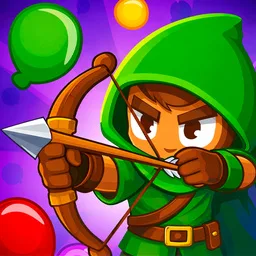

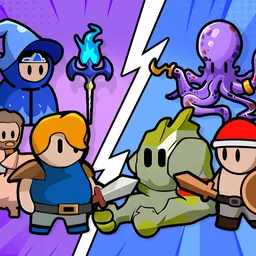





Braveland Heroes continues a series that Tortuga Team started in 2014, and it wears its influences openly: this is Heroes of Might and Magic reduced to its most portable form. Armies of stacked units on a hex grid, turn-based combat where positioning decides more than raw numbers, and a hand-drawn art style that looks like a storybook rather than a spreadsheet.
Combat is the whole game and it is tight. Units occupy hexes, each stack has its own movement range, attack type and initiative, and the order in which everyone acts is visible before you commit. Archers shoot across the field but crumble in melee. Cavalry closes distance but overextends. Support units are fragile and decisive. Winning is usually a matter of getting the right unit adjacent to the right enemy one turn before they get the same.
The campaign is built around a missing royal sceptre, and the plot mostly exists to string battles together — which is fine, because the battles are what you came for. Between fights you recruit units, upgrade them, and manage a warband whose composition matters more than its size. A balanced force with a proper front line beats a bigger one that is all archers, every time.
Alongside the campaign sit online battles against other players' assembled armies. That is where the game's build decisions actually get tested: a composition that steamrolls scripted encounters can fall apart against someone who has anticipated it. Because combat is turn-based, these matches reward reading a board rather than reacting quickly.
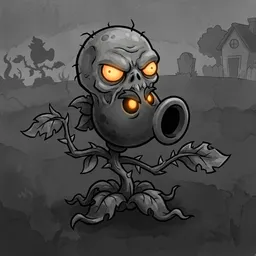
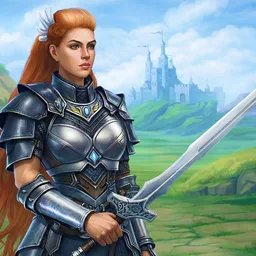
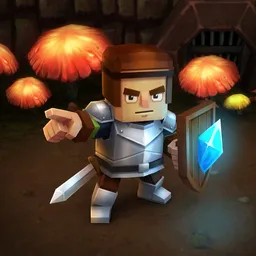
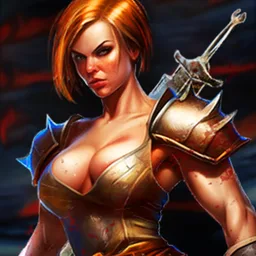
The hand-drawn presentation deserves a mention. The Braveland series has always been visually distinctive — painted backdrops, characterful unit art, animation that suggests rather than simulates — and it is a large part of why the games have held an audience against far more technically ambitious strategy titles.
Braveland Heroes is developed by Tortuga Team and distributed through Playhop, the Yandex games platform. It runs in a browser with no install and works on desktop, phone and tablet, since selecting a unit and a destination translates cleanly to a touchscreen. Playhop plays a short advertisement before the game starts, which is how the platform pays the developer.