 LemonArcade
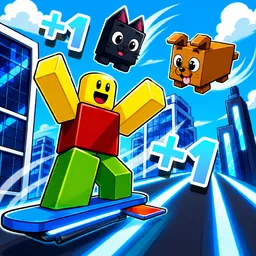
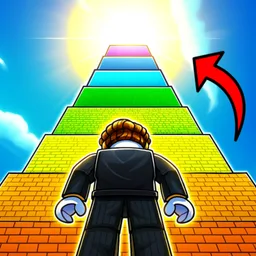


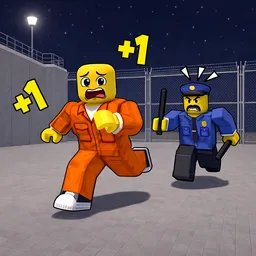
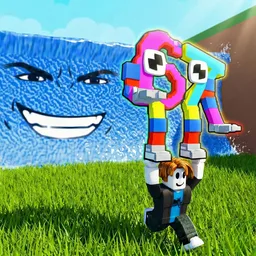


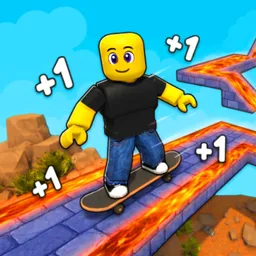
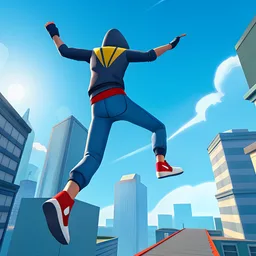

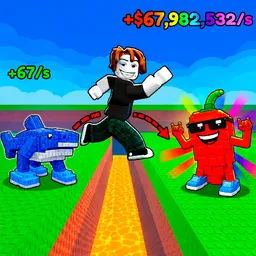
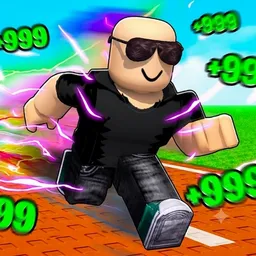
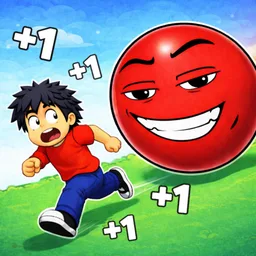
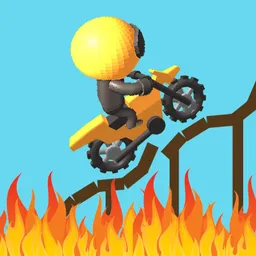

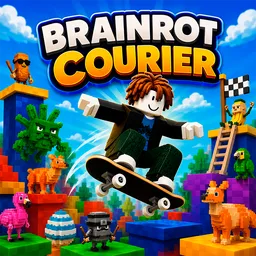
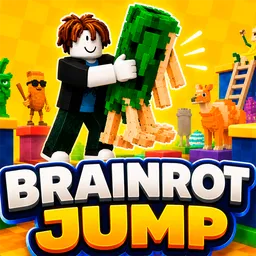
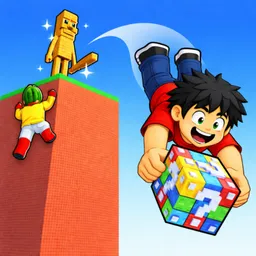
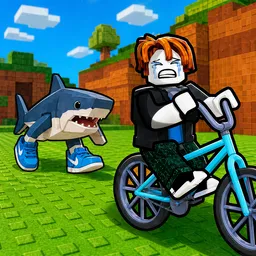
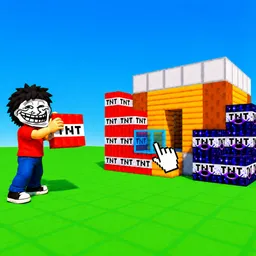

Aura Edit Arena Obby is an obstacle course where the prize at the end is not a score but a glow. You clear stages built from jumps, dashes and climbs, survive traps that punish sloppy timing, and spend what a run earns on auras — animated effects that wrap around your character and mark you out in the arena. The course is the work; the aura is the receipt for it.
The title borrows two words straight from internet culture. Aura is Gen Z shorthand for effortless coolness, treated half-jokingly by TikTok and Roblox communities as a points system you can gain and lose — doing something difficult while looking calm earns aura, embarrassing yourself loses it. Edit refers to the short, music-driven highlight clips those communities make, where a character radiating visual effects is often the entire subject. Katie Game takes that vocabulary literally and turns it into an unlock ladder: the flashier the aura, the more course it took to earn.
Underneath the theme sits the classic obby structure that grew out of Roblox community servers — a course attempted repeatedly, where progress is measured against your own last run. The stages rotate between three demands. Jump sections test distance judgement, dash sections test whether you can burst through a closing window, and climb sections slow everything down and test patience. The traps are the connective tissue: most of them move on cycles, so a stage that kills you five times is usually one whose rhythm you have not yet stopped to read.
The important design decision is that auras change nothing about how your character moves. They are display, not stats — a maxed-out player and a first-timer clear the same gaps with the same toolkit. That separation keeps the course honest while making the cosmetics socially meaningful: an aura cannot be bought past, so wearing a rare one in the arena is a legible claim about the runs behind it. The arena exists precisely so that claim has witnesses.
It sits under Roblox and Multiplayer on LemonArcade. Roblox because the obby format and the aura trend both come out of that ecosystem, even though this version runs in a plain browser tab. Multiplayer because other players share the space with you, and a status system built on cosmetics only works when someone else is there to see them. It suits players who want a platforming challenge with a visible ladder attached, rather than a course that ends when the credits do.