 LemonArcade
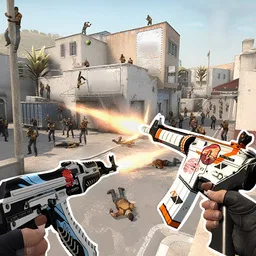
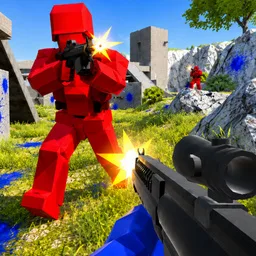
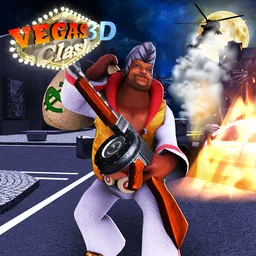

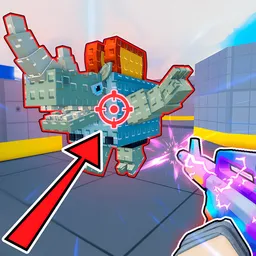






Half-Life: Deathmatch is a browser recreation of the multiplayer mode that shipped with Half-Life, and the distinction matters: this is a fan-made homage built on Unity WebGL, not Valve's game running in a browser. What it recreates is the shape of the thing — fast first-person arena combat where everyone respawns seconds after dying, weapons lie waiting on the map instead of being bought, and a match is a continuous stream of fights rather than a sequence of rounds.
The original mode arrived in November 1998, included with Half-Life on the GoldSrc engine, and its maps became shared vocabulary for a generation of PC players — Crossfire and Bootcamp above all. This recreation names its arenas after that heritage: ten of them, with Crossfire, Bones and Bootcamp on the list. The arsenal is a deliberate anachronism, running from the crowbar, shotgun and machine gun through grenades to the gravity gun, a weapon that did not exist until Half-Life 2 in 2004 — the recreation treats the franchise as one toybox rather than preserving a single year.
Arena deathmatch is an older grammar than the tactical shooters that overtook it, and it plays by different rules. There is no economy, no waiting out a round after death, and no loadout you bring in — everything you fight with was picked up off the floor, which turns the map itself into the resource being contested. The player who knows where the shotgun spawns, and roughly when it returns, holds an advantage no amount of raw aim cancels, because they arrive at fights better armed by policy rather than by luck.
The recreation covers the three ways people actually played this in 1998 and after: alone against bots to learn the arenas, in public matches against whoever is online, or in a private lobby with invited friends. The bot option deserves to be taken seriously rather than skipped — deathmatch punishes map ignorance more than slow reflexes, and a few solo matches teach the weapon locations that public opponents already know by heart.
It carries Multiplayer, Fighting and 3D as categories, and it suits a different temperament than round-based shooters do. Death costs five seconds instead of a round, so the mode rewards constant aggression and cheap experimentation — a bad idea here costs almost nothing to test. For players raised on modern shooters it is also playable history: the format Quake and Half-Life built, before economies and battle royales, running in a school-friendly browser tab.