 LemonArcade



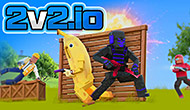












Kour.io is a browser-based multiplayer first-person shooter built by LEGiON Platforms, a studio whose whole output is 3D multiplayer games that run without an install. Kour arrived in beta in late 2023 and grew faster than almost anything else in the .io space that year, reaching millions of registered accounts on the strength of one simple promise: click a link, and you are in a live match against real people within seconds.
The thing that separates Kour from the dozens of blocky browser shooters that came before it is movement. Kour is not a game about standing still and clicking heads. Sliding carries your momentum, jumps chain into each other, and the better players spend a match almost never touching the ground at a walking pace. An opponent who has learned to slide-hop around a corner is a genuinely hard target, and the skill gap between someone who has internalised the movement and someone who has not is enormous — far larger than the gap in raw aim.
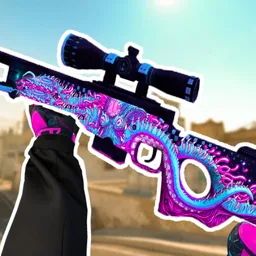
Classes are the second layer. You pick a loadout before you spawn — Soldier, Ninja, Rocketeer, Sniper and others — and each one changes both your weapon and how you move through the map. The Ninja trades firepower for mobility and gets around the map in ways nobody else can. The Rocketeer turns splash damage into a movement tool, rocket-jumping to positions the map was arguably not designed to allow. The Sniper is the punishing pick: enormous reward for a clean shot, near-helpless if someone closes the distance. Most players settle into one or two classes and learn the maps from that class's perspective.
Around the shooting sits a full progression economy. Kills and matches earn KP, the in-game currency, which buys crates. Crates contain weapon skins and character cosmetics of varying rarity. There are free crates on a timer, an Inferno crate unlocked by getting kills, daily and weekly missions, a clan system, seasonal content and a ranked ladder that only reveals your rank after ten placement matches. None of it changes the damage numbers — Kour keeps its cosmetics cosmetic — but it gives a session a shape beyond the individual match.
Modes cover the usual competitive ground: free-for-all, team deathmatch, and rotating limited-time modes that the developers use to test ideas. Matches are short. A full round rarely runs past a few minutes, which is precisely why the game works so well in a browser tab — it fits into the gaps in a day rather than demanding an evening.
The trade-off worth knowing about before you start: Kour is a desktop game in practice. It renders fine on lower-end machines and the visual style is deliberately simple to keep frame rates high, but the movement system assumes a keyboard and the aiming assumes a mouse. On a touchscreen you are playing a different, much harder game than everyone else in the lobby.