 LemonArcade






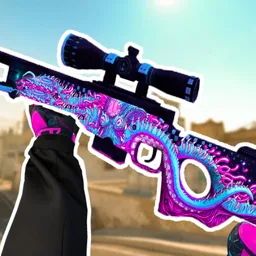



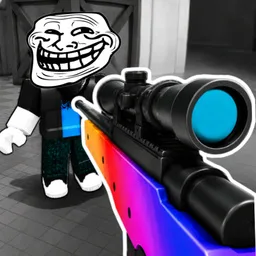




CS 1 is a team shooter that carries the full Counter-Strike structure into a browser tab: counter-terrorists against terrorists, play divided into rounds, a buy menu opened with B at the start of each one, and an economy that links every round to the next. Nothing about that structure has been simplified into a casual arena — you spend money you earned in previous rounds, you wait out the round when you die, and a round lost with expensive rifles hurts more than one lost on pistols.
The format it reproduces has one of the longest lineages in shooters. Counter-Strike started in 1999 as a fan modification of Half-Life built by two students, Minh Le and Jess Cliffe, became Counter-Strike 1.6 in the early Steam era, and evolved through CS:GO into today's CS2 — the same team-versus-team round structure surviving twenty-five years essentially unchanged. Standoff 2 proved the format could move to phones. CS 1 is the next translation in that chain: the same grammar, moved to hardware as modest as a school Chromebook.
The buy menu is what separates this family from every other shooter. Kills and round outcomes pay out money, better weapons cost more of it, and that turns each round start into a financial decision. Buying a rifle after two lost rounds can leave you unable to afford armour later; deliberately saving through a round with only a pistol — the eco round, a term the Counter-Strike community invented — sacrifices the present to fund a fully equipped future. Players who ignore this layer lose to players who do not, at every skill level.
The gunplay rewards restraint over reflexes. Holding your crosshair at head height where an opponent will appear beats dragging it there after they do, short bursts land where long sprays wander, and reloading with R at the wrong moment is a classic way to die with a full magazine in hand. Position decides most duels before either player fires: the defender watching a doorway has already won the reaction-time exchange against the attacker walking through it.
It is filed under Multiplayer, Fighting and 3D, and it suits players who want a shooter where thinking compounds — the same fight can be replayed dozens of times and keep producing different results because the economy and the positions keep shifting. Because matches are built from short rounds rather than one long life, it also fits interrupted play sessions better than most multiplayer games do.