 LemonArcade

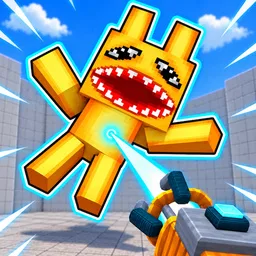
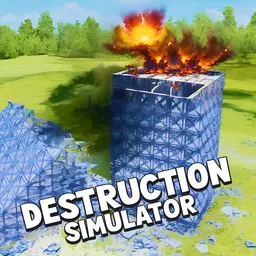











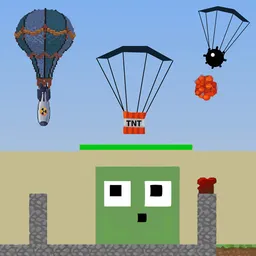





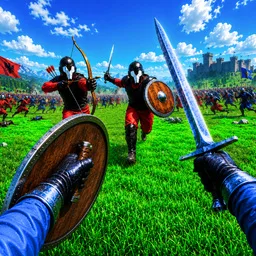





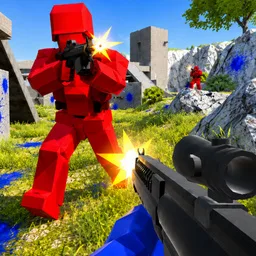

Who Will Win? Create a Battle takes the oldest argument on any playground — who would win, this side or that side — and turns it into something you can actually settle. You assemble two forces from a roster of more than 300 objects, arrange them on a battlefield, press play and let the fight resolve itself. The units act on their own once the whistle blows; your work happens before the first punch, in what you picked and where you put it.
The roster is broader than a simple soldier list. Alongside fighters it holds vehicles, weapons, armor and battlefield furniture — barricades, props, terrain pieces — and characters can be equipped before deployment, so a spearman behind a wall and the same spearman in the open are effectively two different units. Developed by JustPlay and built in Unity for the browser, it also lets you lay out your own map rather than using a ready-made one, which means the arena itself is one more thing you control.
What makes it worth more than a few minutes is treating it as an experiment bench. Any matchup is a question with a testable answer: how many light fighters equal one armored one, does a vehicle beat the crowd that swarms it, is high ground worth two extra bodies. The method that pays off is the fair test — hold everything constant, change exactly one thing, run it again. Swap a weapon, nudge a wall, add a single unit to the losing side, and the next result tells you precisely what that one change was worth. Change three things at once and the result tells you nothing.
Repetition is part of the method, because outcomes are not perfectly deterministic. The same setup can swing on how the melee happens to tangle, so a matchup decided by one run is an anecdote and a matchup decided by five runs is evidence. That habit — rerun before you conclude — is the difference between players who collect explosions and players who end up with a working theory of the whole roster.
The game is filed under Sandbox and Strategy, and each label covers half of it: the sandbox is the freedom to test anything, the strategy is what accumulates in your head as the tests pile up. A light unlock loop feeds the bench — finishing a battle pays out rewards that open new objects, so the pool of testable questions keeps growing. It suits players who like knowing why something wins rather than just watching it win.