 LemonArcade
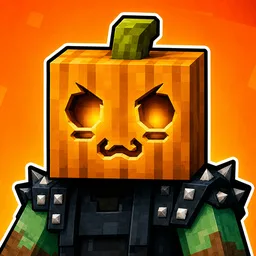



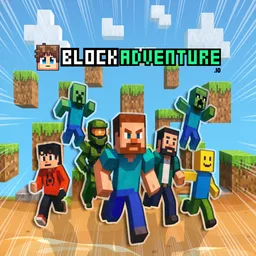



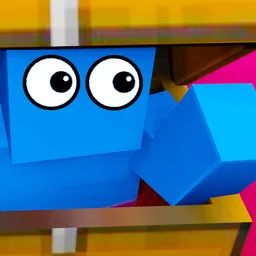
Parkour Online is a multiplayer freerunning game built in the blocky visual language of Minecraft. You share a map with other players and traverse it: sprinting across gaps, chaining jumps between blocks, grabbing ledges to haul yourself up walls, and poking into corners of the level for hidden secrets. Skins let you pick who you are out on the course, and the game is built for playing alongside friends as much as alone. The developer, UT, publishes it on Playhop with a 6+ rating, and it runs straight in the browser.
The style is not an accident of art budget — it references a genuine discipline. Parkour inside Minecraft grew from a side activity into one of the community's most developed practices: once map-making tools matured, players began building courses designed purely around movement, and a whole technical vocabulary followed. Minecraft parkour players distinguish sprint jumps from standing jumps, learn momentum techniques for crossing four-block gaps, and crouch at landings to avoid sliding off edges. Celebrated community maps like Parkour Spiral and Parkour Paradise have been downloaded by millions, and dedicated parkour servers run permanent courses with rankings. This game imports that culture wholesale — the block dimensions, the jump feel, the map-as-course philosophy.
Its one big departure from the source material is the ledge grab. Minecraft itself has no such move: a jump that falls short by half a block simply fails, which is why classic Minecraft parkour is so exacting about takeoff position and momentum. Giving the character hands changes the geometry of the whole game. Near-miss jumps become saves rather than falls, walls become climbable routes rather than boundaries, and course designers can build vertical sections that pure jumping could never clear. Learning when to trust the grab — and when a gap is beyond even that forgiveness — is the skill that separates players here.
The multiplayer layer changes how learning happens. On a shared map, every other player is a live demonstration: routes you had not considered, techniques executed in front of you, and mistakes you get to watch instead of make. There is no elimination and no way for others to break your run, so the social dynamic is closer to a skatepark than an arena — people practising lines side by side, occasionally showing off. Skins matter more than they would alone, because on a shared course your appearance is how friends find you and how regulars recognise each other.
LemonArcade files it under Multiplayer and Platformer, and it sits in a specific niche on the site: movement as the entire game, with no combat and no scoreboard pressure. It rewards the patient kind of player who repeats a hard sequence until it flows, and the exploratory kind who treats a map's edges as an invitation. The hidden secrets are aimed squarely at the second group.