 LemonArcade












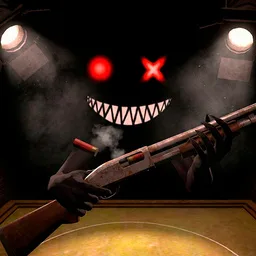





20 Minutes Till Dawn is a roguelite survival shooter with a single promise in its title: hold out against escalating hordes of Lovecraftian monsters until dawn breaks, in runs designed to fit inside twenty minutes. You move with one hand and aim with the other, firing into the dark while creatures pour in from every edge of the screen, levelling up mid-run and assembling a build from the upgrades offered. This browser port is distributed through Playhop under the publisher name NeoX; the game itself is the work of independent developer flanne, released on Steam with publisher Erabit Studios.
Its place in history is precise. The game arrived in June 2022, in the middle of the wave set off by Vampire Survivors — the auto-firing horde survival genre that swallowed the roguelite scene almost overnight. flanne's design reads as a pointed answer to that genre's central abdication: where Vampire Survivors removed aiming entirely and made the player a walking turret, 20 Minutes Till Dawn hands the gun back. You point every shot, and you reload. Reinstalling the shooter inside the horde-survival frame is what set it apart in a field of imitators.
The reload is the load-bearing decision. An auto-firing game has one resource, position; this one has two, position and ammunition, and they pull against each other. A magazine runs dry at exactly the moments pressure peaks, so the game continually asks when you can afford the pause. That single mechanic restores a rhythm of commitment and vulnerability the genre had smoothed away, and much of the upgrade pool exists to bend it: builds that reward emptying the magazine, builds that shrink it, builds that hang effects on the reload itself.
Build-craft is the other pillar. A run starts with a pairing — a character with a passive identity and a weapon with a firing personality — and that pairing biases everything the run becomes. Levelling offers upgrades a few at a time, and the art is refusing good cards to chase interlocking ones: the value lives in interactions, not in any single pick. Between runs, gems earned while surviving unlock new characters, weapons and permanent runes, so even a run that ends face-down in the dark pays forward into the next attempt.
The Lovecraft dressing is more than skin. Fighting until dawn against things with too many eyes frames the game as a siege rather than a conquest — no boss to decapitate, only a night to outlast, with light against darkness as the whole visual language. On LemonArcade it sits under RPG and 2D, which capture the levelling spine and the flat, readable playfield. It suits players who found auto-battler survival games pleasant but hollow and wanted their trigger finger back.