 LemonArcade

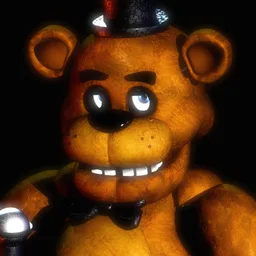



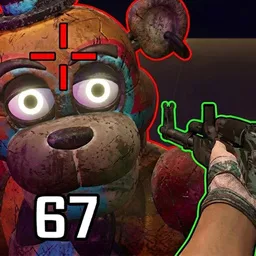



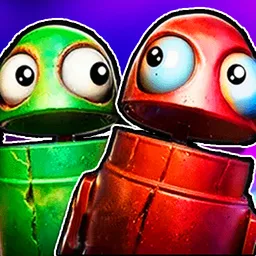


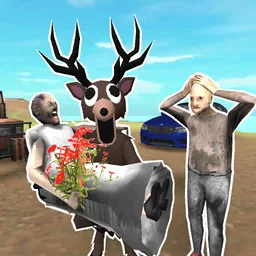
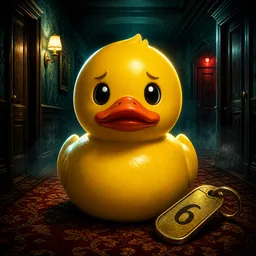
Five Nights at Freddy's is the game that turned a pizza restaurant into one of the most recognisable settings in horror. You play a night security guard hired at Freddy Fazbear's Pizza, a family entertainment venue whose animatronic band performs for children during the day. Your shift runs from midnight to 6 AM. You never leave your chair, you never walk a corridor, and you never fight anything. The entire game takes place in one small office, and everything you do is done through a camera tablet, two door buttons and two light buttons.
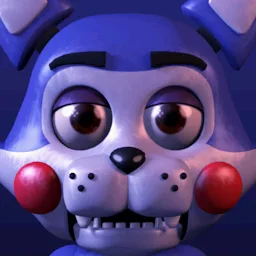
The threat comes from the animatronics themselves. Freddy Fazbear, Bonnie, Chica and Foxy are left in a free-roaming mode overnight, and they do not distinguish between an intruder and an employee. If one reaches your office and you have not sealed the corresponding door, the night ends. The horror is built almost entirely out of information you cannot get fast enough: the cameras show you where they were, not where they are, and the two doorways are blind unless you switch on the lights beside them.
What makes the design unusual is that every defensive action costs the same finite resource. Closing a door drains power. Turning on a light drains power. Even holding the camera tablet up drains power. You begin each night with a full meter and no way to recharge it, so caution is not free — a player who panics and seals both doors at 1 AM will sit in a dark, powerless office long before dawn. The game is therefore a budgeting exercise wearing a horror costume, and the tension comes from spending as little as possible while still checking often enough to stay alive.
Released in 2014 by Scott Cawthon, the game was built by one developer and became a phenomenon almost immediately, spawning a long series, a film and an enormous body of fan work. Part of that success came from its restraint: the animatronics are barely animated, the office never changes, and the scares are rationed. Playing it now, the thing that stands out is how little the game actually shows you, and how much work your own imagination does in the gaps.