 LemonArcade


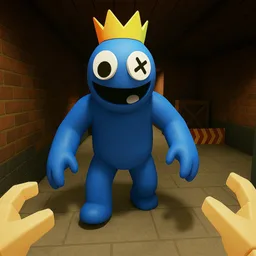

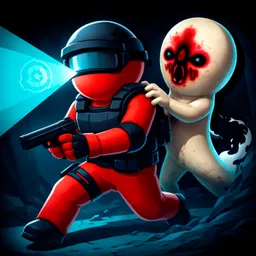


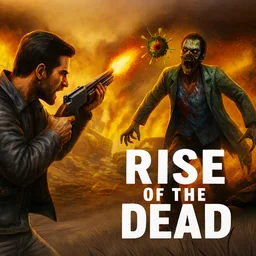







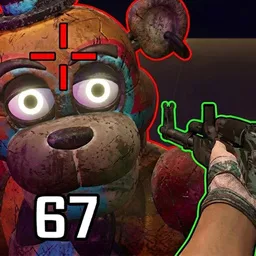




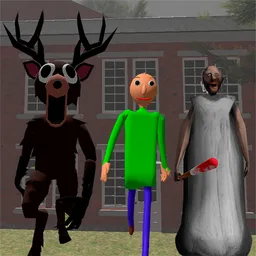
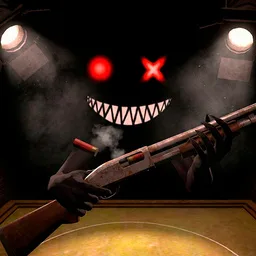



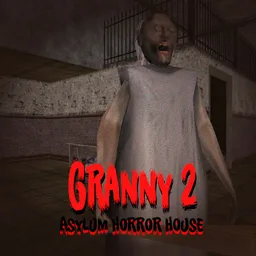


Bad Parenting: Mr. Red Face is the viral psychological horror story that swept streaming platforms in late 2024 — a short narrative game by Vietnamese developer 2OO2OO2 in which a young boy receives visits from his imaginary friend, Mr. Red Face, a grinning crimson figure only he can see. This browser version brings the phenomenon to LemonArcade, where it holds a 4.5 rating from over six thousand platform reviews.
The setup looks like a hundred mascot-horror games: cartoonish visuals, a family home, a creature with a fixed smile. The reason it went viral is that the resemblance is a feint. Mr. Red Face is not a monster that chases you through corridors — he is a lens through which the game examines the family itself, and the horror gradually relocates from the creature to what the household's ordinary rooms reveal.
You play the boy at child height, doing child things: exploring rooms, finding objects, overhearing more than an adult would explain. The interaction layer is simple on purpose — walk, look, pick up, use — because the game's real mechanic is context. Objects that mean nothing early become devastating on a second look, once the story has told you what you were actually holding.
The title is the thesis. 'Bad Parenting' announces the theme outright, and the game follows through: it is about how adults fail children — neglect, pressure, the things families do not say — dressed in the vocabulary of mascot horror. That bait-and-switch is exactly what made millions of viewers sit through streamers' playthroughs to the end.
It is short, and it should be. The story runs like a single act — mundane opening, mounting wrongness, a finale that reframes everything — and its length is why the reveal lands undiluted. It belongs to the same conversation as the browser horror stories the site already hosts: games whose scares serve a narrative point rather than a jump-count.
On LemonArcade it runs free in the browser on desktop or mobile. Go in as unspoiled as possible: the game's entire architecture is built toward what it withholds, and the difference between playing it and having it summarized is the difference between the story working and not.