 LemonArcade
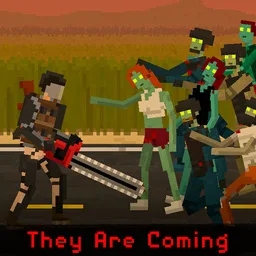





















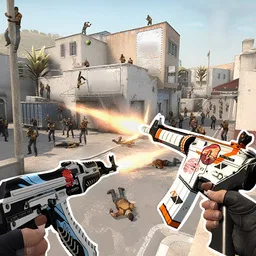



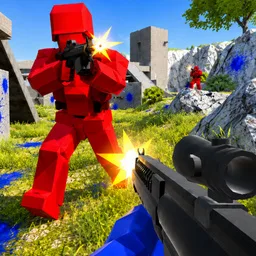



Pape Rangers is an indie roguelike that describes itself as cannon hell: you pick a class, pick a weapon, and are dropped into levels that flood with monsters until the screen is more projectile than background. Runs last roughly twenty to thirty minutes, and across that span you assemble a build from the upgrades the run offers — stacking skills that feed each other until a character who started by plinking at single targets is erasing entire swarms in passing. The pleasure is watching arithmetic become spectacle.
Its family tree runs through Vampire Survivors, the breakout that crystallized the survivors-like genre — sometimes called bullet heaven, the inversion of bullet hell, where the screen-filling barrage is yours and the challenge is scaling it faster than the swarm scales its numbers. Pape Rangers works inside that tradition but keeps more of the player's hands on the wheel than the genre's purest examples, leaning on class identity and weapon choice — an action-RPG reading of the formula rather than an idle one.
The build system is where the design concentrates its depth. Ten classes and seven weapons multiply into starting positions with genuinely different textures, and the upgrade paths branch rather than pool: a gun-focused line can develop through cannon mastery toward a dedicated gunner discipline, while a melee-leaning hero line can grow through swordsmanship into elemental crystal-blade territory. On top of the visible branches sit hidden talents and classes to uncover, which gives the ending of one run a research function for the beginning of the next.
A less common design choice is that difficulty is adjustable per level rather than fixed by the game. That reframes the setting: instead of a label chosen once at the start, it becomes a tuning knob for the experiment you are running — cranked to test a build you believe in, eased to learn an unfamiliar class. Combined with the run length, it accommodates players who want either a power fantasy or a puzzle, sometimes in the same afternoon.
LemonArcade files it under RPG and 2D, and both are earned: the class trees, stat scaling and build identity are genuine role-playing architecture on a flat, readable battlefield. The audience is the player who finishes a survivors-style run and immediately wants to theorize the next one — and the browser format suits that itch, since a full run fits inside a study period and a fresh experiment costs nothing but a page load.