 LemonArcade



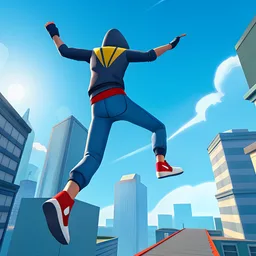

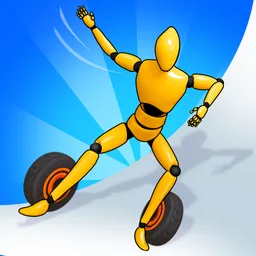
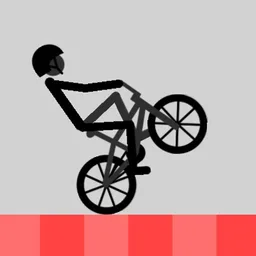
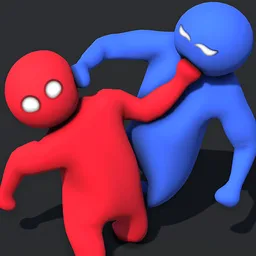

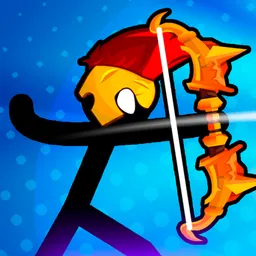
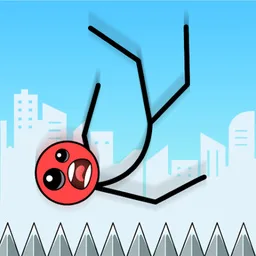

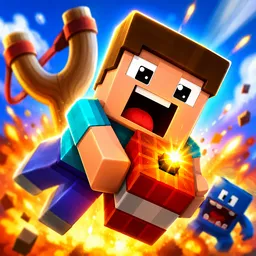
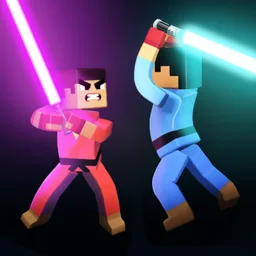
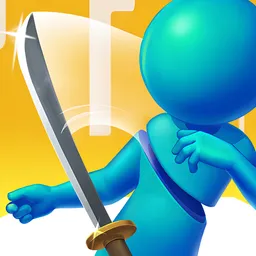

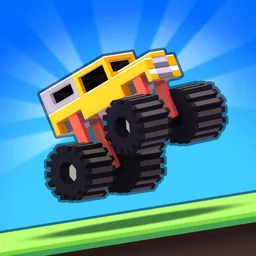
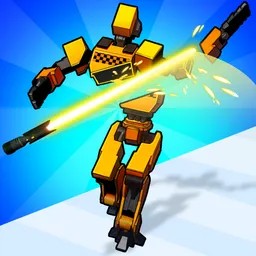
Human Fall Flat vs Gang Beasts is a browser action game by Pixel Craft Games that splices together the two most famous names in wobbly physics. You steer a floppy, over-articulated hero through a campaign against a gang of jelly-limbed bandits who have kidnapped your friend, and the levels alternate between physics puzzles, grab-heavy brawls, boss encounters framed by cutscenes and even stretches behind the wheel of an SUV. Arenas are partially destructible, so the room you are fighting in tends to come apart along with the fight.
The first half of the title belongs to Human: Fall Flat, the 2016 puzzle-platformer by the Lithuanian studio No Brakes Games, driven by developer Tomas Sakalauskas and published by Curve. It cast players as Bob, a doughy figure whose arms are controlled independently and badly, and asked them to climb, swing and stumble through dream worlds. The joke turned out to have extraordinary reach: by early 2025 it had passed 55 million copies, putting it among the best-selling video games ever made.
The second half belongs to Gang Beasts, the party brawler from the small British studio Boneloaf, which spent years in early access from 2014 before a full release in December 2017 under Double Fine Presents. Where Human: Fall Flat pointed its ragdolls at puzzles, Gang Beasts pointed them at each other, building an entire fighting game out of grabbing, staggering and heaving gelatinous opponents off ferris wheels and trucks. Between them the two games mark the opposite poles of the wobbly-physics idea, traversal comedy on one side and combat comedy on the other.
This mashup is an unofficial homage with no involvement from either studio, and it wears the borrowed names the way browser games often do, as a promise about feel rather than a claim of ownership. What it actually takes from each parent is fairly legible in play: puzzle rooms and momentum-based traversal from the Fall Flat side, grapples, throws and crowd brawls from the Gang Beasts side, then its own additions on top, including a story with a proper finale, slow-motion flourishes on big hits and those driving sections neither original ever had.
The interesting design question it inherits is why controls this imprecise feel good. A character who obeys you instantly can only succeed or fail; one who lurches a half-second behind your intent produces a third outcome, the near miss you can feel in your own shoulders, and that is where the comedy lives. Filed under Platformer and Casual on LemonArcade, it suits players who want their failures to be funnier than their victories, which on a school Chromebook between classes is arguably the correct priority.