 LemonArcade
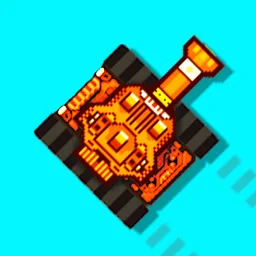
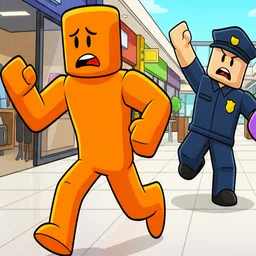
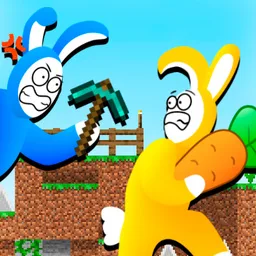

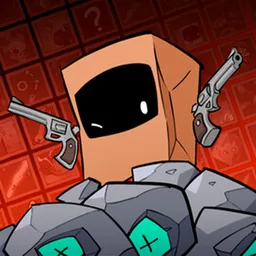


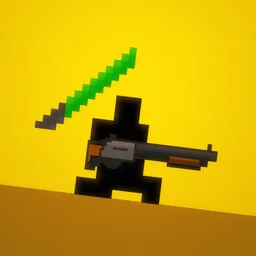

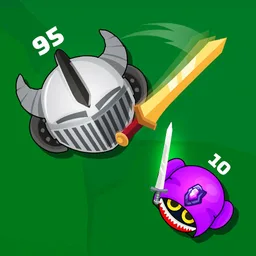




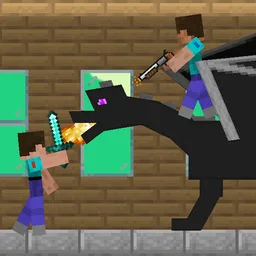

Steel Heroes, by Starheart Games, is a two-player battle game about holding a line. You and a friend control armoured warriors on the same computer, stand shoulder to shoulder against waves of enemies, and feed everything the fights earn you back into stronger weapons and tougher plating. Its real-time mode is the reason it carries the 2 Players label with a straight face: both fighters act at once on one screen, so the second player is a genuine combatant rather than someone waiting for a turn.
The design belongs to the upgrade-battle lineage that browser games have been refining since the Flash era: a loop where combat generates currency, currency buys power, and power unlocks combat you could not previously survive. What separates a good example of the loop from a treadmill is whether the purchases are decisions. Steel Heroes puts the decision pressure on the pair rather than the individual — every upgrade one player takes is an upgrade the other waits for, so the shop becomes a small negotiation about what the team needs next.
Wave structure does the pacing work. Early waves are a tutorial you win by pressing attack; later ones are checks against your upgrade curve, and a wall you cannot break is usually a message about spending rather than skill. This is where the Strategy category earns its place. The moment-to-moment fighting is simple by design — the layer that rewards thought is above it, in deciding whether the next purchase should be damage to end fights faster or durability to survive longer ones, and which of the two warriors gets it.
Playing side by side changes the combat math in a way solo wave games cannot reproduce. Two fighters means enemies split their attention, one player can absorb pressure while the other deals damage, and a downed partner turns a routine wave into an emergency. None of this needs voice chat or a lobby, because the other player is on the same keyboard — coordination happens by talking across the desk, which is faster than any ping system.
The audience is pairs who want a fight they can lean into together for ten minutes: two friends at a shared machine, often on hardware that installs nothing, since the game runs directly in the browser. It also holds up alone — the warriors and the upgrade track are still there — but its centre of gravity is the real-time duo, and the balance of enemy waves makes the most sense with two sets of hands on the keys.