 LemonArcade

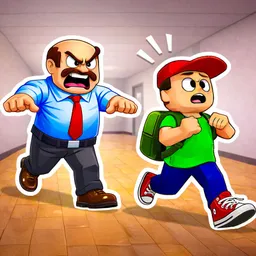
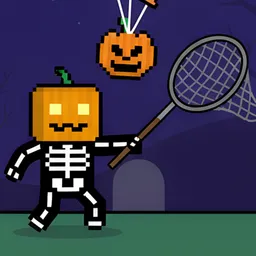


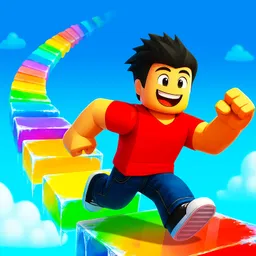
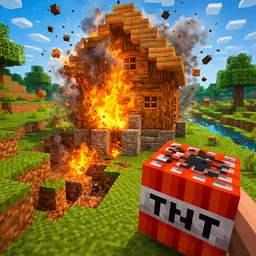
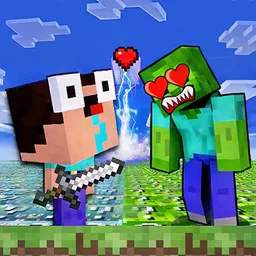

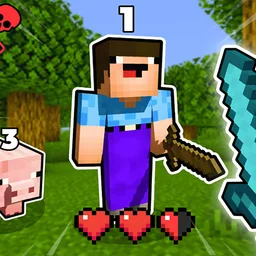




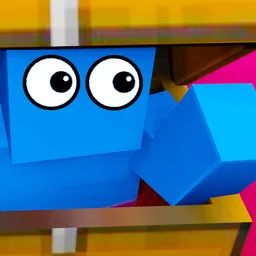
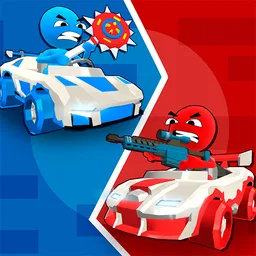
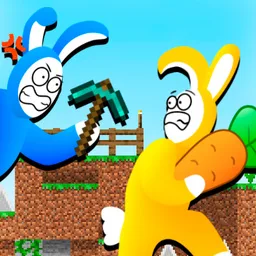

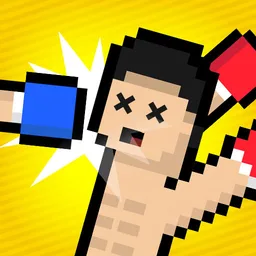



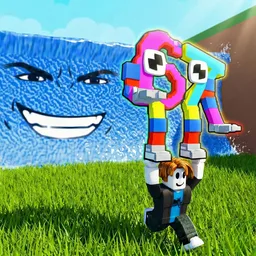

Mine Survival: Noob and Pro, by Desmond Games, is a blocky co-op survival game starring a familiar double act: the Noob, who blunders into danger, and the Pro, who is supposed to know better. Two players on one computer guide the pair through a voxel world — digging for resources, crafting their way up through better tools, armour and weapons, and eventually taking on the Ender Dragon, the fight the whole progression points toward. It runs in the browser, so the full loop is available on machines that install nothing.
The two characters are not an arbitrary skin. Noob-and-Pro is one of the most recognisable duos in children's internet culture, born in Minecraft animation videos on YouTube where a clumsy beginner and a seasoned expert attempt the same task with wildly different results. Those videos rack up views in the hundreds of millions, and for a large part of this game's audience the pair are established characters before the first block is broken. Building a co-op game around them is a smart reading of who actually plays same-keyboard games: the kids who watch those animations, usually with the sibling or friend now holding the other half of the keys.
The survival structure underneath is the one Minecraft made canonical, compressed for browser sessions. Resources come out of the ground in tiers, each tier unlocks tools that can harvest the next, and equipment crafted along the way decides which fights are survivable. The Ender Dragon serves the same role it serves in its source material: a fixed summit that turns open-ended survival into a ladder with a top. You always know why you are mining — every swing of the pickaxe is a step toward being the kind of duo that can win that fight.
Co-op reshapes the ladder into a division of labour. Mining, crafting, food and defence all compete for time, and two players can run them in parallel — one digging deeper for rare material while the other holds the surface, keeps the gear current and deals with whatever wanders in. The Noob-and-Pro framing even gives pairs a natural way to assign themselves: the less experienced player takes the safer jobs while the veteran runs the risky descents, and the game quietly teaches the first player to become the second.
It is filed under Sandbox and 2 Players, and the pairing describes the experience accurately: a world that lets you decide what to do next, played by two people whose plans have to survive contact with each other. Sessions fit a lunch break, progress accumulates across the run, and the finale is concrete. For its core audience — young players on shared computers who already know these two characters from a thousand thumbnails — it is less an introduction to survival games than a playable episode of a show they follow.