 LemonArcade


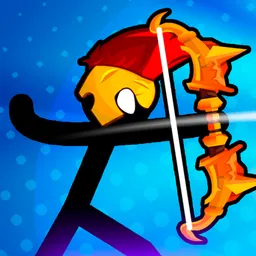

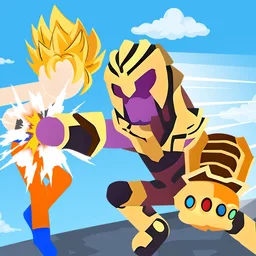
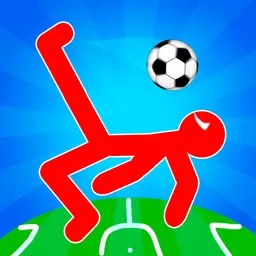
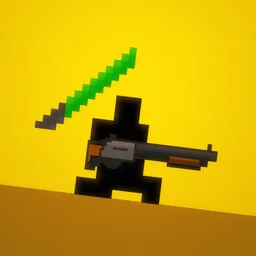
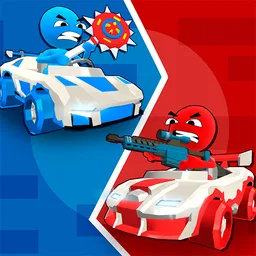
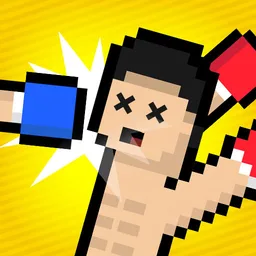

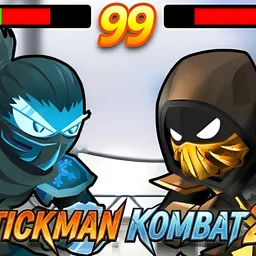


Battle of the Red and Blue Agents is a stickman fighting game reduced to its oldest rivalry: one red figure, one blue figure, and a round that ends when one of them stops getting up. You can fight the AI alone, but the game is built around its second seat — two players sharing a single keyboard, one on WASD, the other on the arrow keys, settling the matter at arm's length from each other.
Stick figures were the default fighters of the early internet for a practical reason: they animate fast and read instantly in motion, so every hit, stagger and knockdown is legible even at browser-game frame budgets. That tradition runs from Flash-era stickman animations through to Stick Fight: The Game, the Steam couch brawler that made physics-driven stickman combat a party staple. Red versus blue is the same inheritance — the cheapest possible way to tell two identical fighters apart, which is exactly why it stuck.
The local-versus format shapes everything about how matches feel. Both players run on the same machine, so there is no connection quality to blame and no input delay separating you — the conditions are perfectly symmetrical, down to sharing the same screen and the same hardware. Fighting games live or die on fairness, and a shared keyboard is the most honest arbiter available: whoever wins the round won it on reads and timing alone.
Against a human, rounds become a psychological loop rather than an execution test. The moveset is compact — movement, strikes, and the spacing between you — so the depth comes from habits: a sibling who always attacks after landing, a classmate who backs into corners under pressure. The AI opponent is the practice room; it has patterns you can learn and exploit, which makes solo play the place to build timing before the rematch that actually matters.
It is filed under Fighting, 2 Players and 2D on LemonArcade, and the middle label is the one doing the work. This is a game for two chairs pulled up to one Chromebook — a best-of-five at a school desk or a kitchen table, where the loser's hand is eight centimetres from the winner's. Solo mode exists and works, but the design's centre of gravity is the person sitting next to you.