 LemonArcade









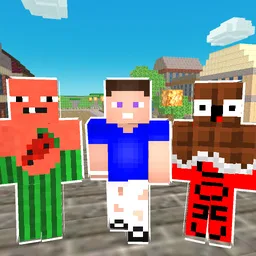
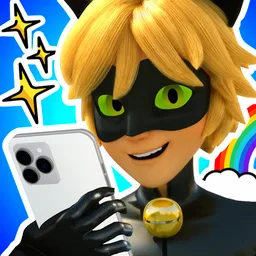



















Gacha Life 3 is a character studio in the Gacha visual style: you assemble anime-styled figures from menus of hair, eyes, outfits and accessories, pose them, and compose scenes around them. It is made by TempoPlay and published on the Playhop platform with a 12+ rating — and, as the page description already states plainly, it is not an official Lunime release. What TempoPlay has built is a fan-styled studio wearing a name the internet was already searching for, and the honest way to evaluate it is as exactly that.
The naming history explains why no official version 3 can exist. Lunime's actual sequence runs Gacha Life in 2018, then Gacha Club in 2020 — a game that was openly titled Gacha Life 2 during development before being renamed — and then a real Gacha Life 2 in October 2023, a separate release that finally used the number. At no point has Lunime announced anything numbered 3. The phrase Gacha Life 3 has existed for years as a search term, a rumor and a video thumbnail before existing as any game, and TempoPlay's title, which appeared on its platform in December 2023, is one of several projects that stepped into that vacancy.
That such games exist at all says something about the Gacha aesthetic. The chibi proportions, oversized expressive eyes, flat layered clothing pieces and pose-plus-backdrop scene format stopped being one studio's signature years ago and became a genre template, reproduced by dozens of unaffiliated developers across web platforms. An art style cannot be owned the way a trademarked character can, so the ecosystem around Lunime's originals filled with lookalikes — and kids searching for the next number in the series land on them, which is precisely the demand this title answers.
Someone arriving from Gacha Club will notice the differences quickly. This is a browser-native production rather than a port of a full app, and it concentrates on the customization and scene core without the surrounding machinery Lunime bolted on — expect a leaner wardrobe, simpler menus and no equivalent of Club's collecting-and-battling side. Nothing made in Lunime's games carries over either: the character codes Club players trade are a Lunime system, and an unaffiliated title cannot read them. In exchange it loads in seconds in a tab, on machines where installing an app was never an option.
Judged without the borrowed name, it is a serviceable entry in the Casual and Kids categories: a low-pressure dress-up and scene toy aimed at players who like designing casts more than playing systems. The name will keep bringing people to it, and the page will keep saying what it is — a tribute act to a series whose actual next installment does not exist. Knowing that up front is the difference between disappointment and getting what you came for.