 LemonArcade





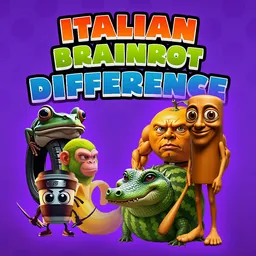
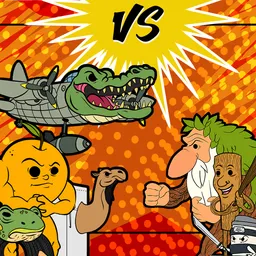

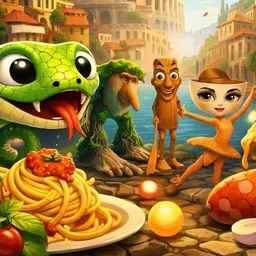





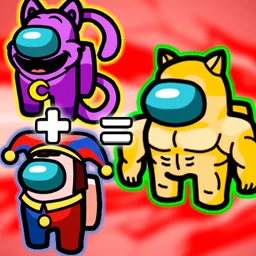












Meme Mukbang: ASMR Game puts you behind the camera of a food livestream where the host is a meme. You pick what goes on the table — spicy noodles, seafood, drinks — serve it to a brainrot-styled character and let them eat for an audience. Every bite is measured in attention: the more satisfying the eating looks and sounds, the longer viewers stay, and each finished broadcast pays out money that goes into new dishes, a better kitchen setup and cosmetic upgrades for your host. Underneath the absurd surface it is a compact simulation of streaming fame, with food as the content and sound as the craft.
The format it parodies has a precise history. Mukbang is a Korean compound meaning roughly eating broadcast, and it emerged in the early 2010s on AfreecaTV, a Korean livestreaming platform that predates Twitch's rise. Broadcasters discovered that eating on camera — expressively, often in large quantities — held viewers, who followed along in chat and sent paid digital gifts that converted into real income. By the mid-2010s the format had a name, mainstream media coverage in South Korea and an export route to YouTube, where it became a global genre. The game's loop, where audience engagement converts directly into cash, is a fairly faithful cartoon of that real economy.
The ASMR half of the title is the second lineage. Eating sounds — the crunch, the slurp, the fizz — are among the oldest trigger categories in ASMR video, and on YouTube the two genres merged into eating-sound mukbang, where the microphone matters more than the menu. The game treats that as a mechanic rather than a gimmick: the audio of each bite is the performance itself, which is why it plays noticeably better with sound on. Muted, you are tapping through a feeding animation; with headphones, you are producing the exact thing the fictional audience supposedly tuned in for.
Casting memes as the hosts is what lets the parody stay comfortable. Real mukbang has a genuine debate attached to it, because human broadcasters face pressure to eat past reasonable limits for retention. Swapping the human for a cartoon meme removes the person from the spectacle while keeping the spectacle intact, so the game can exaggerate freely — the dishes get more absurd, the reactions bigger — without anyone actually overeating. The title arrived on the Playhop platform in July 2025, at the height of the brainrot game wave, and its cast is drawn from that same meme ecosystem.
LemonArcade files it under Brainrot and Casual, and both labels earn their place. Brainrot because the humor, the cast and the pacing all come from short-form meme culture; Casual because the skeleton underneath is a light upgrade sim with short sessions and no way to lose. It suits players who want something silly that still has a visible progression bar, and it works as a first exposure to what the mukbang phenomenon actually is — a broadcast format with rules — rather than just a word from comment sections.