 LemonArcade

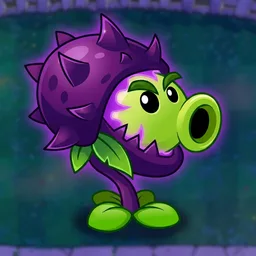




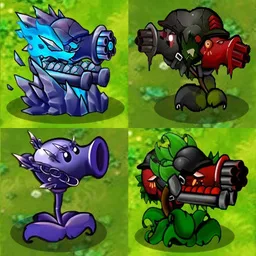





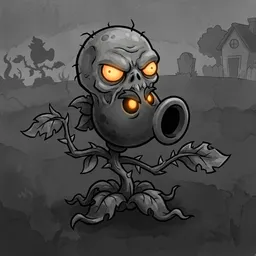








Plants vs Zombies Fusion Mode takes the lawn-defence formula almost everyone recognises and adds the one thing the original never allowed: combining two plants into a single hybrid that keeps both of their abilities. Instead of picking between a Sunflower for economy and a Peashooter for damage, you can run a Sunshooter that generates sun while it fires. That single change rewrites how you think about every seed slot, because a square on your lawn is no longer one job — it is two.
The fusion system is deliberately open-ended. Hybrids can themselves be fused again, so a plant that started as a simple pea shooter can end up several generations deep, carrying damage type, splash radius and a slow effect all at once. Fire and ice branches behave very differently: Flame Peashooter turns single-target shots into splash damage that clears a whole clump of zombies, while Ice Melonpult trades raw speed for heavy impact plus a chill that buys your defences several extra seconds against the heavy units.
What makes it hold up over a long session is that the zombie roster punishes one-note builds. Shielded zombies shrug off frontal damage until you break the screen, fast runners get past a slow-firing line before it can react, and the giant units simply absorb anything that is not built to hurt them. Because fusions let you carry two answers in one slot, the game becomes a puzzle of coverage rather than a race to unlock the strongest plant.
It runs directly in the browser on LemonArcade with no download and no account, which matters for a game of this length — you can leave a lawn half-defended, close the tab and come back to it. It is a fan-made take on the formula rather than an official release, which is exactly why the fusion mechanic exists at all: it is the kind of idea a community builds when it already knows the source material inside out.