 LemonArcade







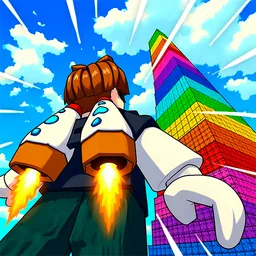
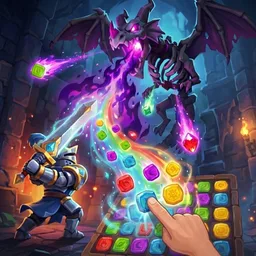











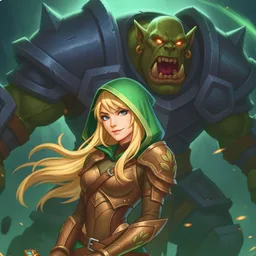




Up Hero by FlareDev Games is an idle RPG organized around a single satisfying loop: merge two identical weapons into a stronger one, craft the armor pieces your hero is missing, and test the result against a boss that stonewalled you an hour ago. It belongs to the school of RPGs where the fighting mostly runs itself and the actual game is the decisions you make between fights.
Merging is the engine. Duplicate weapons drop constantly, and combining a pair produces one item of the next tier — simple enough, except inventory space and drop rates conspire to make you choose which lines to push. Feeding everything into one weapon type climbs fast but leaves your hero brittle; spreading merges evenly feels safe and plateaus. The tension between those two instincts is most of the strategy.
Crafting fills the gaps merging cannot. Bosses in Up Hero tend to fail you in specific ways — not enough defense for a damage check, not enough sustain for a long fight — and the crafting system exists to buy answers to those specific failures. Reading why you lost matters more than grinding, because the next attempt with the same build usually ends the same way.
The idle layer keeps the tab-closed hours productive. Resources accumulate while you are away, so every return starts with a stack of currency and drops to process — a few minutes of merging and equipping that visibly moves your numbers. It is built for the check-in pattern: short sessions, several times a day, each one ending with the hero measurably stronger.
Bosses are the honesty test. Between fights, bigger numbers always feel like progress; a boss tells you whether they actually are. Each one is a checkpoint that either falls — confirming the build works — or does not, telling you exactly what to craft next. The rhythm of hitting a wall, adjusting, and breaking through is the game's real progression, more than any level counter.
On LemonArcade, Up Hero runs free in the browser on desktop, mobile and tablet, with no download or account. It suits players who like their RPGs as a series of small optimization puzzles rather than a reflex test — nothing in it punishes slow thinking, and everything rewards coming back.