 LemonArcade



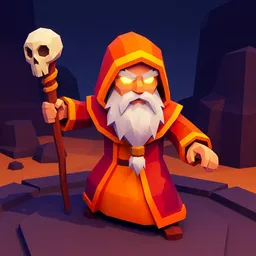



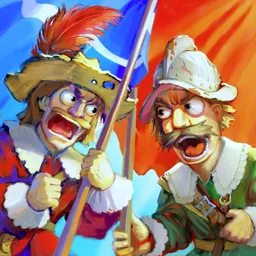




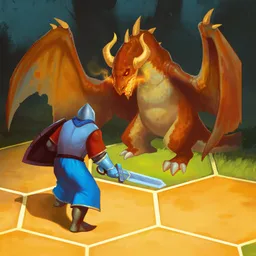

War and Peace 2 is a persistent online strategy game where the title is not decoration. Wars in it end with negotiated terms rather than annihilation, and the terms are what you were fighting for. That single design choice pulls the whole game away from the usual browser-strategy pattern of grinding an army and steamrolling weaker neighbours, and toward something closer to diplomacy with an army attached.
The foundation is economic. You manage production, trade routes and resources before you manage soldiers, and an army you cannot supply is a liability rather than an asset. Players who rush military strength early tend to stall a few days in, having built a force their economy cannot sustain against opponents who spent that time compounding. It is the classic strategy trade-off, enforced strictly.
Clans are the layer that makes the game work at scale. Coordinated groups pool resources, defend each other's territory and negotiate collectively, and a well-run clan beats a stronger solo player almost every time. Much of the actual gameplay happens in the arrangements between clans — non-aggression along a border, trade agreements, and the moment one side decides the agreement has outlived its usefulness.
Because the world is persistent, decisions carry weight. Losses are not reset by a match ending; a defeat costs you real progress and a betrayal is remembered by people you will still be sharing a map with next week. That persistence is what gives the diplomacy teeth. In a session-based game, breaking your word costs nothing. Here it costs your standing.
The pace suits the format. This is not a game you play for five minutes between other things — it rewards checking in, making decisions, and letting them develop. Progress accrues while you are away, so a session is about setting direction rather than executing every action manually.
War and Peace 2 is developed by Agium.ru and distributed through Playhop, the Yandex games platform. It runs in a browser with no install. Being a heavier strategy title, it takes noticeably longer to load than a casual game — give it time on first visit. Playhop plays a short advertisement before it starts, which is how the platform pays the developer.