 LemonArcade



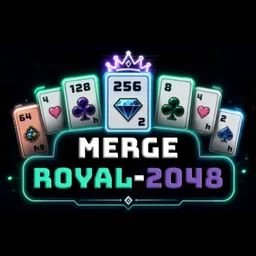
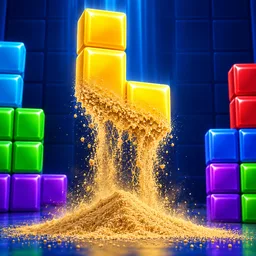



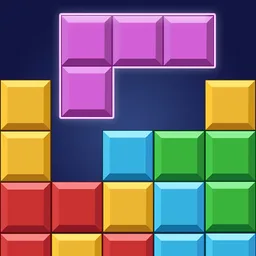

Block Blast 2048 is a number-merging puzzle developed by Dmitry FTD and distributed through Playgama's browser catalogue. Despite the name, it has nothing to do with Block Blast!, the separate mobile block-fitting hit from Hero Games that topped app store charts through 2024 and 2025 — that game is about slotting shapes into a grid, this one is about merging numbers. Block Blast 2048 instead descends from a much older lineage: Gabriele Cirulli's 2014 browser game 2048, itself built on the earlier 1024 and Threes, which established the format of combining matching tiles to grow toward higher numbers. That naming collision is common enough in the browser puzzle space that Playgama itself has written about who actually owns the Block Blast brand, which tells you how often the two very different games get confused by players searching for one and landing on the other.
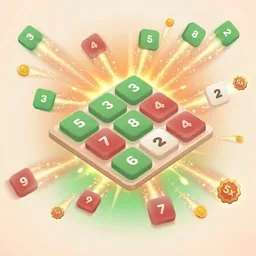
The rules here are stripped down on purpose. You click or tap adjacent blocks that share the same number, and matching pairs merge into a single block carrying the next value up. There's no swipe-and-slide mechanic like the original 2048 — everything happens through direct clicks on the pair you want to combine, which makes the game readable at a glance and playable one-handed on a phone. Because the whole board never shifts at once the way it does in a swipe-based 2048, you can plan several merges ahead without worrying that your next move will scramble the layout you were counting on.
The board fills from the edges inward as you play, so a game that looks half-empty in the center can already be closing off options along its sides. There's no timer and no penalty for pausing mid-thought, which keeps the pace entirely player-controlled — you can play in short bursts between other things or settle in for a longer session chasing a personal best.
What makes it distinctive within the crowded field of 2048 variants — and there are dozens, from Duck Block Blast to Snake 2048 to Block Blast Master — is exactly how little it changes. It doesn't add combo timers, obstacle tiles or power-ups; it keeps the core merge-and-grow idea and trusts it to hold attention on its own, which is a deliberate bet against the trend of piling mechanics onto a simple format. Where many of those reskins lean on a theme, animals, food, seasonal art, to feel different from one another, Block Blast 2048 leans on nothing but the numbers themselves, which makes it a good baseline version of the format if you want to judge other variants against it.
It suits players who want a puzzle they can pick up without reading a tutorial and who find satisfaction in optimizing a grid rather than reacting under pressure. It's a poor fit if you're looking for fast action or competitive scoring against other players — this is a solitary, unhurried thinking game closer to solitaire than to an arcade puzzle.
It runs free in the browser on LemonArcade, on desktop or mobile, with no download and no account needed to start playing. Sessions can be as short as a couple of minutes or stretch much longer since nothing forces you to stop, and the difficulty curve is gentle at first before the board's shrinking open space demands real planning in the later stages of a run. The touch controls translate cleanly from the mouse version since both rely on the same tap-to-merge input, so there's no compromise moving between a phone during a commute and a desktop browser at home.