 LemonArcade



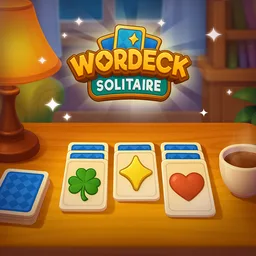


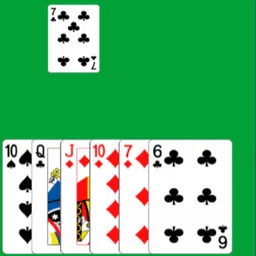







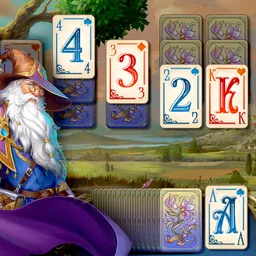
Word Solitaire takes the structure of classic card solitaire and swaps out suits and numbers for words and categories. It is developed by Mewton Games, credited directly on Playgama's own listing, which distributes the browser build played here. Rather than clearing a tableau by rank or suit, you clear it by recognizing which words belong together, turning a card game into a vocabulary puzzle without losing the calm, one-card-at-a-time pacing solitaire is known for.
It belongs to a small but distinct cluster of similar titles on Playgama, including Word Solitaire Associations, Solitaire: Word Categories and Card Solitaire: Word Game, each built by a different studio around the same basic idea of replacing playing-card logic with word matching. Word Solitaire is Mewton Games' particular take on that shared format, distinguishing itself mainly through its specific category and word sets rather than a different core rule. That crowded little niche says something about how well the format works: enough separate studios have independently built a version of it that it functions almost as its own small subgenre within casual card puzzles.
The board starts partly filled, as in classic solitaire, and you draw one card at a time from the deck rather than seeing your whole hand at once. Cards come in two kinds: category cards and word cards. A category card has to be placed on the board first, and only then can matching word cards be stacked onto it to complete that set — placing a word card before its category exists on the board simply wastes the move. Because you can only see the next card in the deck rather than planning several moves ahead, each draw is its own small decision about which open category, if any, it belongs to.
What makes it different from a shuffle-and-clear solitaire game is that success depends on vocabulary and categorization skill rather than card-counting or luck of the deal. A word card frequently has more than one plausible category it could belong to, so part of the challenge is recognizing which meaning the puzzle intends, not just matching the obvious first association that comes to mind. That kind of ambiguity, common to plenty of English words with more than one everyday meaning, is exactly what the puzzle is built to test, so noticing it before committing a placement matters more than reacting quickly.
That mix makes it suit two different kinds of players at once: younger or vocabulary-building players who benefit from the light educational angle of matching words to categories, and puzzle fans who enjoy solitaire's unhurried pace but want something that exercises language and logic instead of pure card math. It's light enough to be picked up without prior solitaire experience, since the category-then-word rule is simple to explain in a sentence, and there's no timer or penalty pushing you to move faster than you can actually read and think through a board.
On LemonArcade it runs free in the browser, on desktop or mobile, with no download or account required. Levels are short, usually a couple of minutes each, and the difficulty stays modest overall since it's built around recognizing word relationships rather than the deeper combinatorial planning a full deck of numbered cards can demand, making it a comfortable pick for a quick, low-pressure puzzle session between other tasks.