 LemonArcade





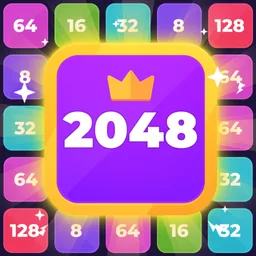









Merge Royal 2048 takes the number-doubling idea from 2048 — the sliding-tile puzzle Italian developer Gabriele Cirulli released as free, open-source code in 2014, itself a riff on the earlier games 1024 and Threes — and rebuilds it as a card-merging puzzle instead of a grid-sliding one. On other portals the same game circulates under the name Merge Royale, and the credited studio behind this particular Playgama build could not be confirmed. The name recognition of 2048 is clearly part of the appeal here, since the doubling-number concept is one of the most widely cloned mechanics in browser gaming, appearing across dozens of official and unofficial versions since 2014.
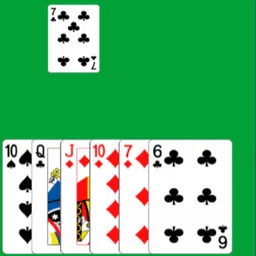
Instead of sliding tiles across a four-by-four grid, you drag two cards showing the same number together to merge them into a single card worth double, similar to the mechanic 2048 made famous but played card by card rather than with a full board shift. Each level sets a target score, and merging cards toward higher values is how you rack up the points needed to clear it. A small preview usually shows which value is coming up next, which lets you plan a merge chain a step ahead instead of reacting only to what is already on the board.
Clearing a level's target unlocks the next one, with new visual themes and combo effects introduced as you climb, rather than 2048's original single endless grid that only ever ends when you run out of space. That level structure gives the game a sense of finishing something, where the original 2048 was built around chasing a personal best on one continuous board. Because the level list has a visible endpoint, later stages can afford sharper target-score jumps than an endless grid ever could, since the game is pacing you toward a finish rather than an indefinitely climbing high score.
The drag-and-merge control scheme is the biggest departure from 2048's arrow-key or swipe input, and it borrows more from card and solitaire games in how it feels to place a piece than from tile-sliding puzzles. It sits closer to a merge game than a strict 2048 clone once you actually play it, even though the underlying doubling math is the same. That slower pace also makes it more forgiving of an imprecise mouse or a shaky finger on a touchscreen, since a merge only fails when the drop misses the target card rather than when an entire row shifts the wrong way.
It works for players who like 2048's number logic but find the grid-sliding version too fast and twitchy, since dragging one pair at a time forces a slower, more deliberate pace. It also suits anyone who prefers a level-based structure with a visible finish line over 2048's open-ended high-score chase. It is also a reasonable pick for a shared or public computer, since a level can be abandoned mid-attempt with no lasting consequence beyond restarting that one stage.
On LemonArcade it runs free in the browser on desktop and mobile with no download, account or in-game purchases required. Levels are short, usually a couple of minutes each, and difficulty rises gradually through higher target scores rather than through any added time pressure. The absence of any in-game purchases here is worth noting given how common paid boosters are in merge-style mobile games, and it means every level is reachable purely by playing well rather than by spending.