 LemonArcade
















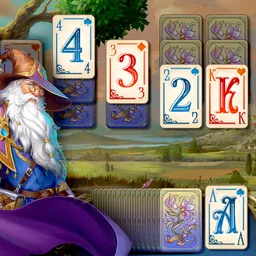


Nine to Wonderland is a head-to-head card duel RPG built solo by developer Hamurapa, using the Phaser and TypeScript web frameworks, and it launched first as a browser game on itch.io before later reaching Android. Unlike most card RPGs, it does not invent a custom deck of fantasy illustrations; it runs entirely on a standard 52-card deck, jokers included, turned into the whole combat system rather than a theme layered on top of one.
Every card you play in a duel does something concrete. Number cards strike your rival or heal you, face cards burn mana out of their pool, and you can play a single card or chain a pair, a flush or a run for a bigger hit — the stronger the poker hand, the harder it lands. Jokers are not wasted slots; they automatically slot into whichever combination in your hand they can strengthen the most. That single design choice, building a fighting-game-style damage system directly on top of poker hand rankings, is the thing that separates it from both a plain poker game and a plain card RPG with invented artwork.
Mana is the resource that ties the whole system together. Small-value cards generate the most of it, so every turn is a choice between cashing in a strong hand now or holding back to fund Blade, Shield or Swap later — sharpening an attack, blocking incoming damage, or trading up to three cards out of your hand for better ones. That tension between playing your best hand immediately and saving mana for a follow-up is the game's real skill test, and it is what separates a duel that snowballs quickly from one that comes down to a slow standoff of both players hoarding mana for the decisive turn.
Your hero is built the same way as the deck: every portrait is itself a card, with its own trump suits, a favourite poker hand it rewards, and a unique ULT ability charged by the cards you play during the fight. Collecting duplicate heroes stars them up, which raises the mana bank you start every duel with, giving long-term collection a direct payoff rather than being purely cosmetic. Because a hero's trump suits and favourite hand shape which combos are worth chasing, switching heroes changes how a duel should be played far more than a simple stat increase would.
The mode list covers most of what a card RPG needs without padding: quick matches against the computer, local pass-and-play duels, ranked online play, a story-driven Adventure mode where each chapter is a dice-and-board maze of fights, chests, traps and a boss, an endless Gauntlet for players who just want to keep climbing, and a daily challenge that hands both players an identical, freshly rolled epic card set so the match comes down to play skill rather than collection size. That spread means the same core combat system supports a short competitive match, a longer solo campaign push, and a pure-skill daily test without ever changing its underlying rules.
On LemonArcade it runs free in the browser, on desktop or mobile with tap controls and no keyboard needed, with no download or account required. Because it was built by one developer rather than a large studio, expect a tighter, more focused game than a big-budget card RPG rather than a shorter one — duels themselves run a few minutes, but the poker-hand system gives it a real skill ceiling, and the Adventure mode's chapters can occupy considerably longer sessions.