 LemonArcade


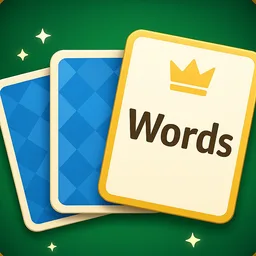
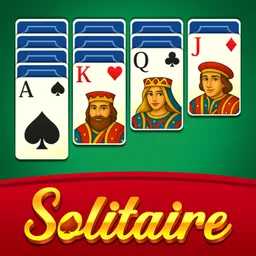

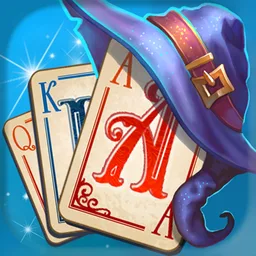



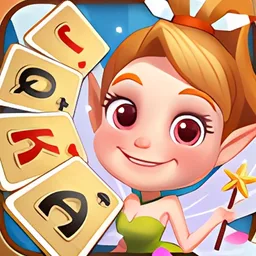


Wordeck: Associations borrows solitaire's most familiar shape — a board of cards you clear by finding the right combinations — and swaps out suits and rank sequences for meaning. Instead of building descending runs by color, you look at a spread of word cards and group the ones that share a hidden category: three or four words that all belong to the same idea, whether that is animals, professions, objects or something looser. Clear every group and the level ends; leave cards stranded and you are stuck rereading the board for the connection you missed, since nothing here is decided by luck of the draw.
The word-association solitaire niche this belongs to has grown quickly across mobile app stores over the last two years, with several studios releasing near-identical takes on the format under names like Solitaire Word Association and Word Solitaire Associations. This particular build could not be traced to a confirmed developer credit in public listings — Playgama distributes it, but the studio behind the artwork and level design is not stated on the pages that reference it, so it should be read as unverified rather than attributed to a guess.
The loop is entirely untimed. Each level lays out a fixed set of word cards containing several hidden categories, usually three to four words apiece. You select cards you think belong together; a correct group clears from the board immediately, and a wrong guess simply returns the cards to their spots so you can try again without penalty, unless a level specifically caps your mistakes. Early boards are generous with obvious pairings — food next to food, animals next to animals — and later ones deliberately plant words that could plausibly fit two different groups, forcing you to hold a guess in your head rather than commit early.
What separates it from a normal matching game is that the difficulty comes from ambiguity rather than speed or card count. A word like bat can belong to an animals category or a sports-equipment one, and the game leans on exactly that kind of double meaning once you are several dozen levels in. There is no combo scoring, no falling blocks, no clock — the entire pressure is cognitive, which makes it closer to a crossword or word-association parlor game translated into a board-clearing format than to any traditional card game.
That design suits players who want a genuinely calm puzzle session rather than a reflex test: people who like word games built around hidden categories, or who enjoy solitaire for its quiet, self-paced rhythm rather than for the card mechanics themselves. It is a poor fit if you came looking for traditional suit-and-rank solitaire, since beyond the card-shaped tiles there is no relation to Klondike or Spider, and no amount of card counting will help you spot a hidden theme.
On LemonArcade it runs free in the browser, desktop or mobile, no download or account required. Session length is flexible by design — a level takes anywhere from under a minute to several minutes depending on how quickly the hidden categories click — and the difficulty curve is gentle enough for casual play, though the game does carry optional in-app purchases, most likely for hints or extra content, on top of its free level set. It supports eight languages, which suggests the developer built word lists beyond just English from the start, rather than translating a single English word bank after the fact.