 LemonArcade

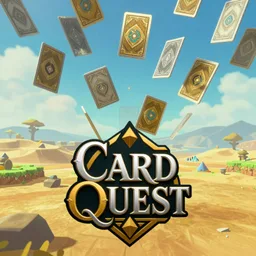
























Card Quest: 10 Minute Adventure is a turn-based card battler built around a single idea baked into its title: matches are meant to resolve fast. Instead of the sprawling decks and hour-long matches typical of collectible card games, it compresses deck-building strategy into short turn-based duels, with terrain choice doing as much work as the cards themselves. The cartoon art style and quirky tone set it apart from the more self-serious military and fantasy card games it otherwise resembles mechanically, and the humor extends into the terrain names themselves, which undersell how strategically important some of them turn out to be.
The specific studio behind it is difficult to pin down — it circulates on GameDistribution and Playgama without a clear developer credit attached consistently across the portals hosting it, so it should be treated as unverified rather than guessed at. What is documented is the game itself: a lighthearted, cartoon-styled card strategy title distinct from the realistic tone of most collectible card games, built for browser distribution from the start rather than ported down from a mobile app.
Before a match starts, you build a deck from cards you have collected and choose which terrain tiles to place on your side of the board. Terrain is the game's central twist: Cornfields favor strong attackers, Sandlands favor defensive units, Blue Plains produce balanced but unpredictable creatures, Candy Kingdom units are weak in combat but excel at healing allies, and the Useless Swamp — despite the joke name — is where special-ability and direct-damage cards belong. Rainbow creatures ignore the restriction entirely and can go anywhere, which makes them a flexible option when your terrain draft leaves a gap.
Each turn you draw cards, spend Magic Points to summon creatures, buildings or spells onto your terrain, and attack either enemy units or their tower directly. Because terrain locks certain creature types to certain tiles, matches become a puzzle of where you place your pieces as much as which cards you play, and a deck built entirely around one terrain type collapses fast against an opponent who spreads pressure across the board rather than committing to a single lane the way you did.
That terrain system is what makes it distinct from a generic lane-based card game: the board itself dictates strategy before a single card is played, and a match can be lost purely on a bad terrain draft. It suits players who like the deckbuilding layer of a collectible card game but do not want the time investment — someone who enjoys short-match pacing more than a long, drawn-out card game will feel at home here, and the ten-minute framing keeps a session from sprawling into something that demands a whole afternoon.
On LemonArcade it runs free in the browser, desktop or mobile, with no download or account, and unlike many card games in the catalogue it carries no in-game purchases, so every card and terrain tile is earned through play rather than bought. True to its name, a full match runs close to ten minutes, making it a reasonable pick for a single break rather than a multi-hour session, though learning which terrain to draft against an unfamiliar opponent deck takes a few losses to get a feel for, especially once buildings and spells start competing for the same Magic Points as your creatures.