 LemonArcade









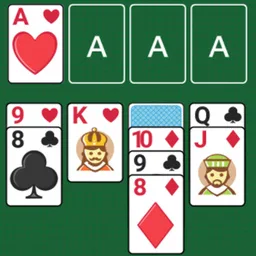


Solitaire The Collection gathers 33 patience variants into a single deck-and-table app instead of treating solitaire as one game. Klondike is here in both draw-one and draw-three form, Spider runs with one, two or four suits, and the list keeps going from there: FreeCell, Pyramid, Vegas scoring, Yukon with its Russian Solitaire and Alaska cousins, Scorpion, Forty Thieves and the gentler Josephine, Tri Peaks, Golf, Eight Off, Double Klondike, Easthaven, Spiderette, Simple Simon, plus a Memory board in two sizes. Each variant comes with its own rule card, so you can open one you have never tried and read what a legal move is before the first click.
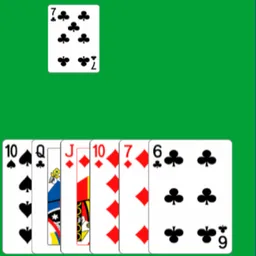
A session is short by design. You pick a variant, choose a difficulty where the game offers one, and a deal lands on the table. Cards move by clicking or tapping, and a tap on a card with an obvious destination usually sends it there on its own, which keeps the pace brisk. Undo is available, a hint button points at a legal move when you are stuck, and auto-collect sweeps the remaining cards to the foundations once the win is certain. A completed deal ends with a short card dance, the old-fashioned reward that anyone who played Windows Solitaire will recognise.
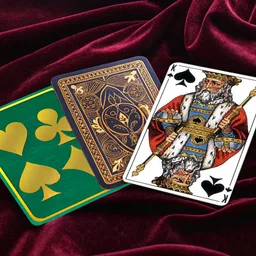
What sets Solitaire The Collection apart from a single-variant solitaire page is the structure built around the deals. Daily challenges assign a specific deal each day, journeys string quests together with keys and postcards as rewards, and achievements track longer-term goals. The deck itself is customisable: card faces, backs and table backgrounds can be swapped, there is a dark mode, and a left-handed layout mirrors the table so the stock sits on the side your thumb actually reaches. Progress saves automatically, so a half-finished Forty Thieves deal is still waiting when you return.
In genre terms this is the compilation format that Microsoft Solitaire Collection made familiar, not a modern roguelike twist on cards. The variants themselves are mostly old: Klondike is usually dated to the 1890s, FreeCell reached a mass audience when Microsoft bundled it with Windows 95, and Pyramid and Golf are traditional paper-and-deck patience games that predate computers entirely. It suits anyone who already knows one solitaire and wants to learn the others, and players who like a different mental texture each day: four-suit Spider on a sharp morning, Golf on a tired evening.